
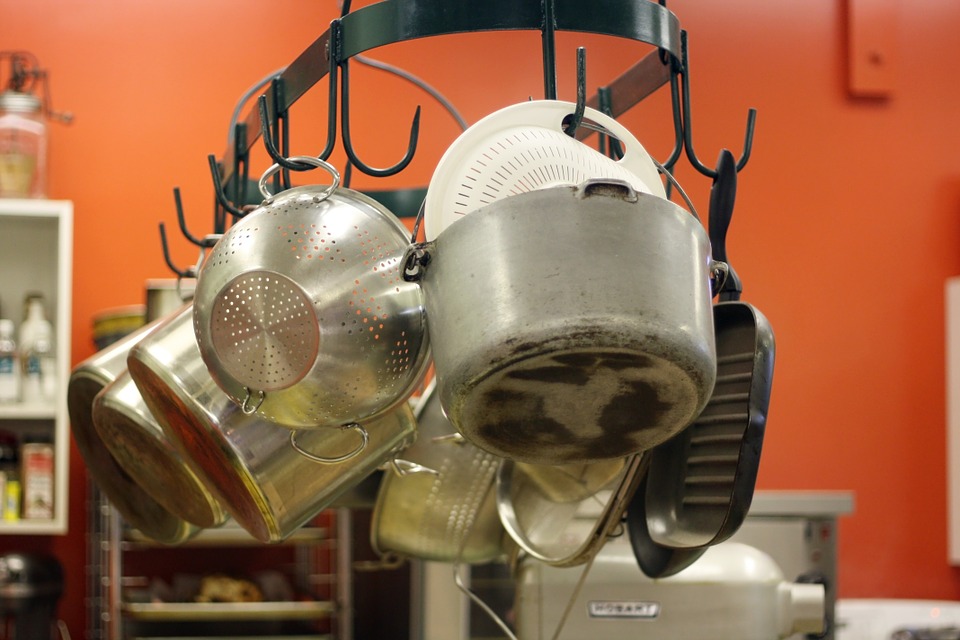
There are many times when we come across a recipe that declares “use a nonreactive” bowl or pan. But what the heck does that mean?
What Does Nonreactive Mean?
Simply put, it means that the type of metal used will not react with acidic foods.
A good example of this is the recommendation that acidic food (like fruit and tomatoes) are not to be used with cast iron. If they are, the end result is a metallic taste being transferred to the food.
Using a “reactive” pan can result in:
- A metallic taste in the food
- The food can become discoloured
- Foods can take on some of the chemical elements (ie. iron is transferred to foods when using cast iron pans)
Common Reactive Cookware
- Aluminium
- Copper
- Iron
- Steel (not stainless steel)
Common Nonreactive Cookware
- Stainless Steel
- Enameled Cast Iron (not scratched or chipped)
- Glass
- Clay
- Most pans with “non-stick” coatings (not scratched or chipped)
Since different types of pans behave differently, some manufacturers will combine elements. For example enamelled or glazed cast iron retains the characteristics of cooking with cast iron but the coating makes it nonreactive.




 Cookery Nation
Leave a comment